Semi-Continuous Casting Equipment
Semi-Continuous Casting Line
Copper Billet & Slab Casting — Vertical DC Process
Equipment Gallery
Product Overview
Mivo's semi-continuous casting line uses the vertical direct-chill (DC) casting process to produce large-format copper and copper alloy billets, slabs, and hollow billets. Molten metal is poured into a water-cooled mold and withdrawn downward at a controlled rate. As the billet exits the mold, it is immediately quenched with direct water spray, rapidly solidifying the outer shell and producing fine, uniform grain structure across the full cross-section.
Unlike upward continuous casting (which produces busbar in a continuous strand), semi-continuous casting operates in discrete cast cycles — each cycle producing a fixed-length billet or slab that is then cut and transferred to downstream processing: extrusion, forging, or rolling. This process is well suited to a wide range of copper alloys, including brass, bronze, copper-nickel, and precipitation-hardening grades such as CuCrZr.
Equipment configuration — mold cross-section, furnace capacity, lowering speed, and cooling parameters — is specified for each project based on your alloy, billet dimensions, and annual production target.
How the Process Works
- 01 Melting
Copper or copper alloy is charged into the induction furnace and melted to the casting temperature. Composition is verified before transfer.
- 02 Transfer to Tundish
Molten metal flows from the furnace into the tundish, which maintains a consistent temperature head above the mold inlet.
- 03 Mold Entry
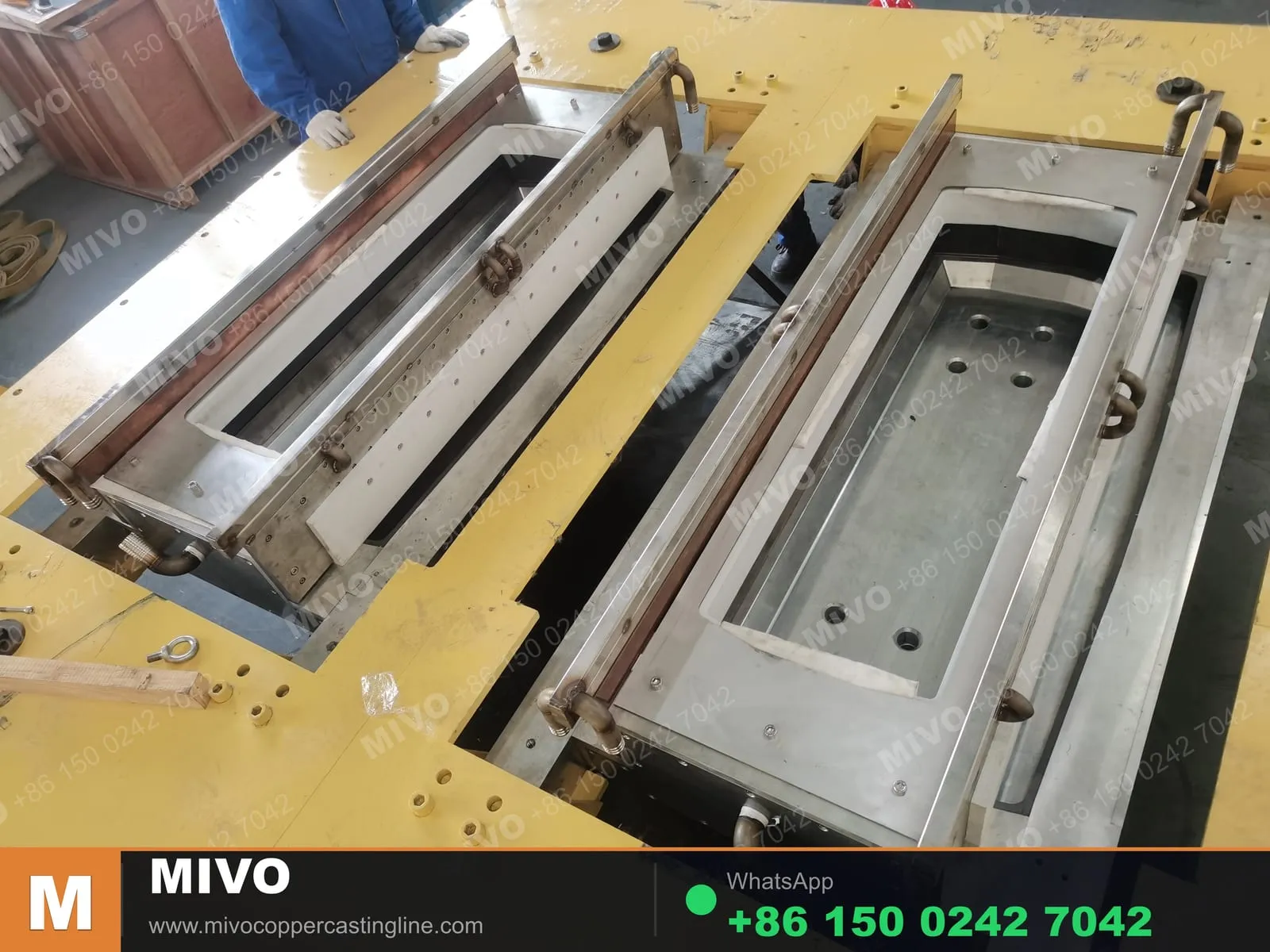
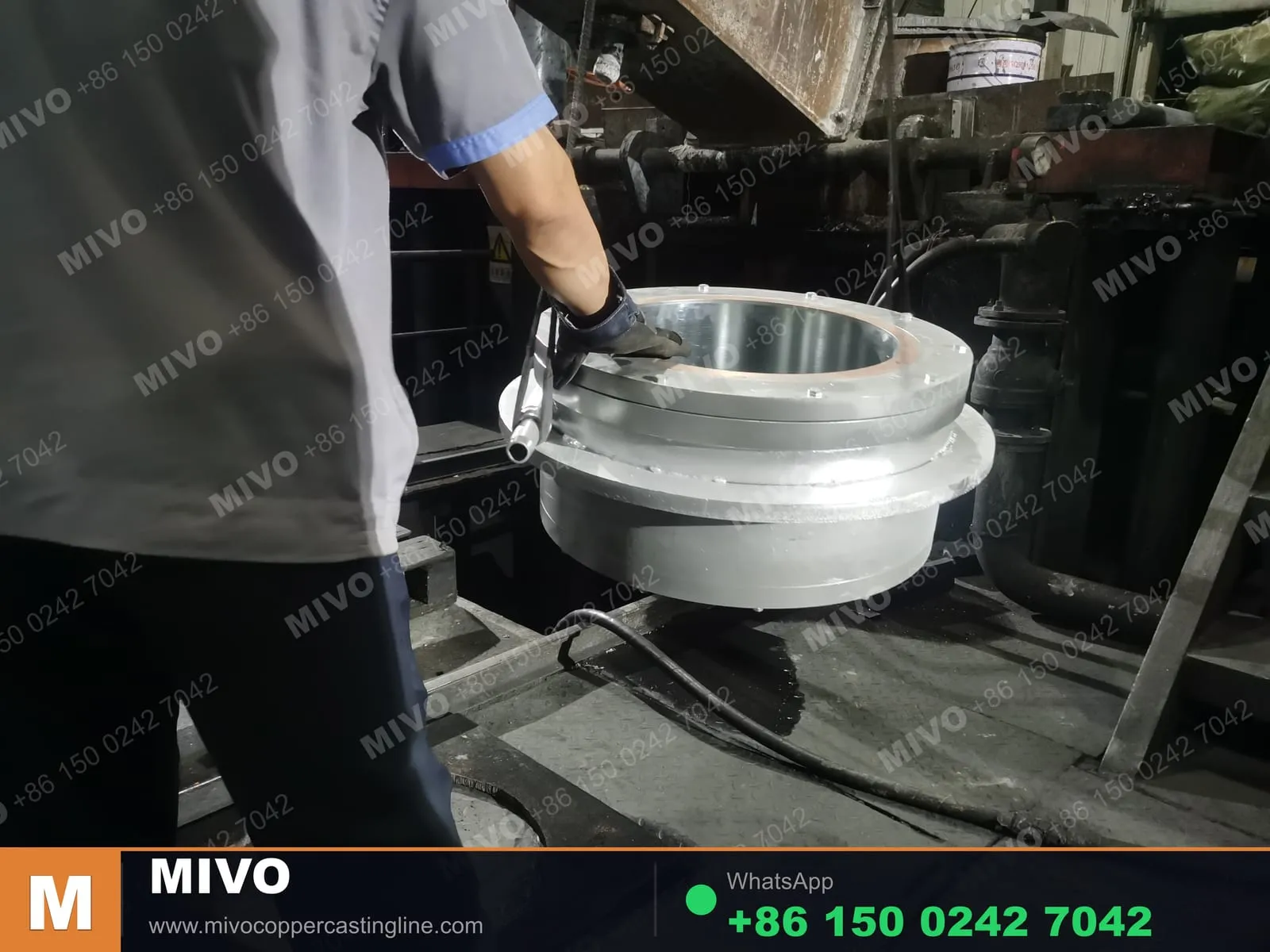
Metal enters the water-cooled mold, where the outer skin solidifies. The mold is lubricated to prevent sticking and allow clean withdrawal.
- 04 Direct-Chill Cooling
As the billet exits the mold bottom, direct water spray quenches the surface — the "direct-chill" step — rapidly solidifying the billet cross-section.
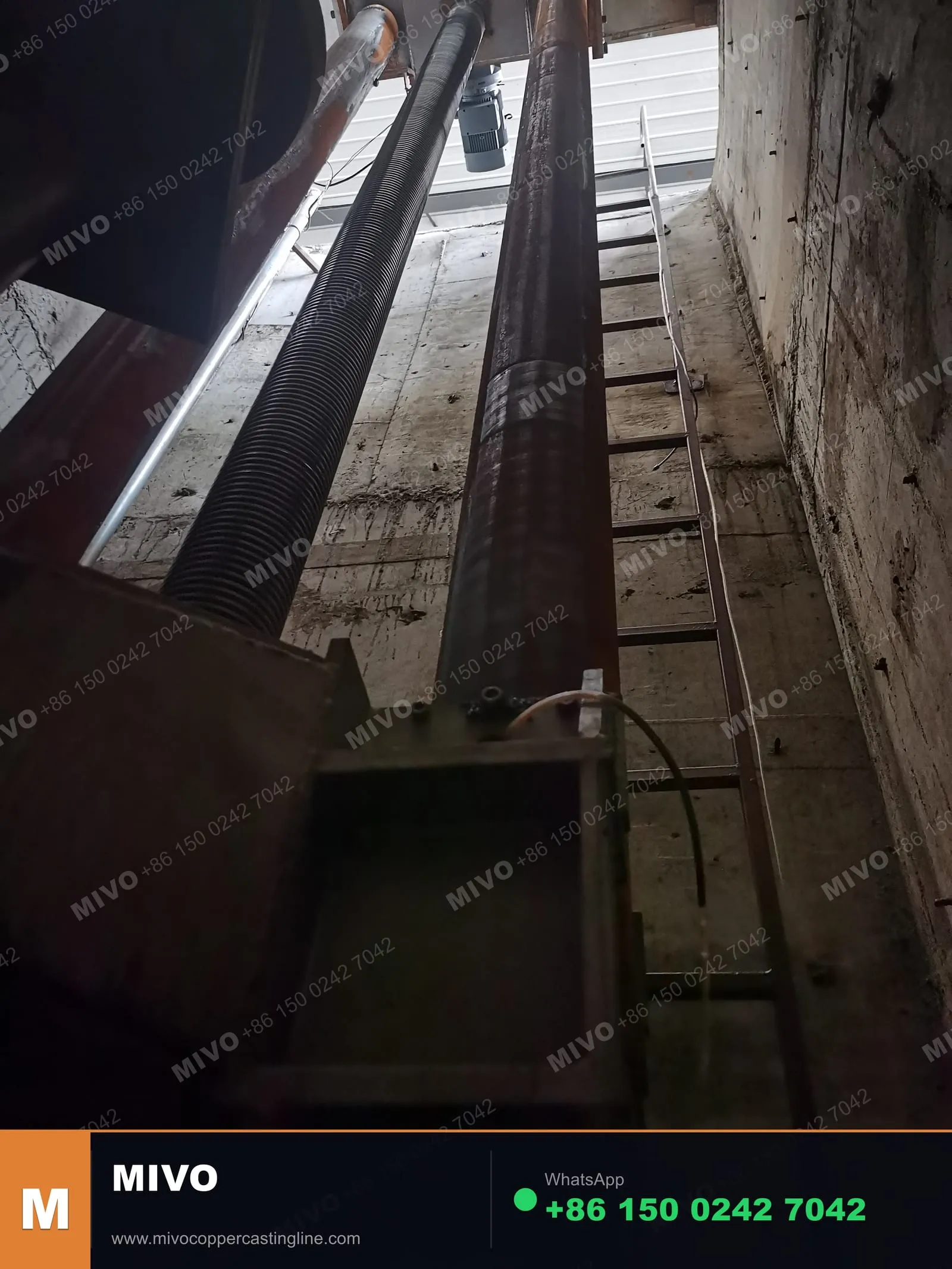
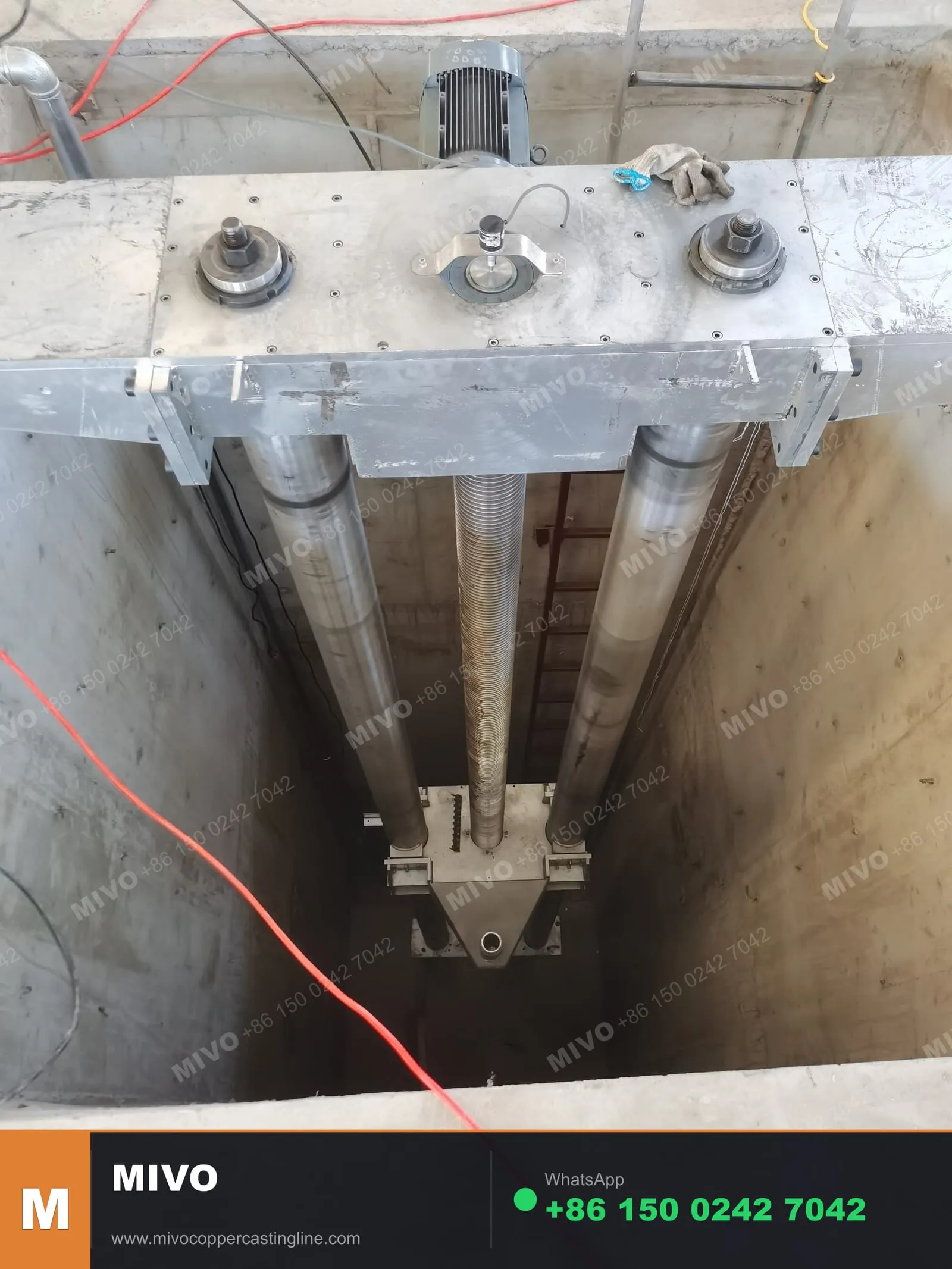
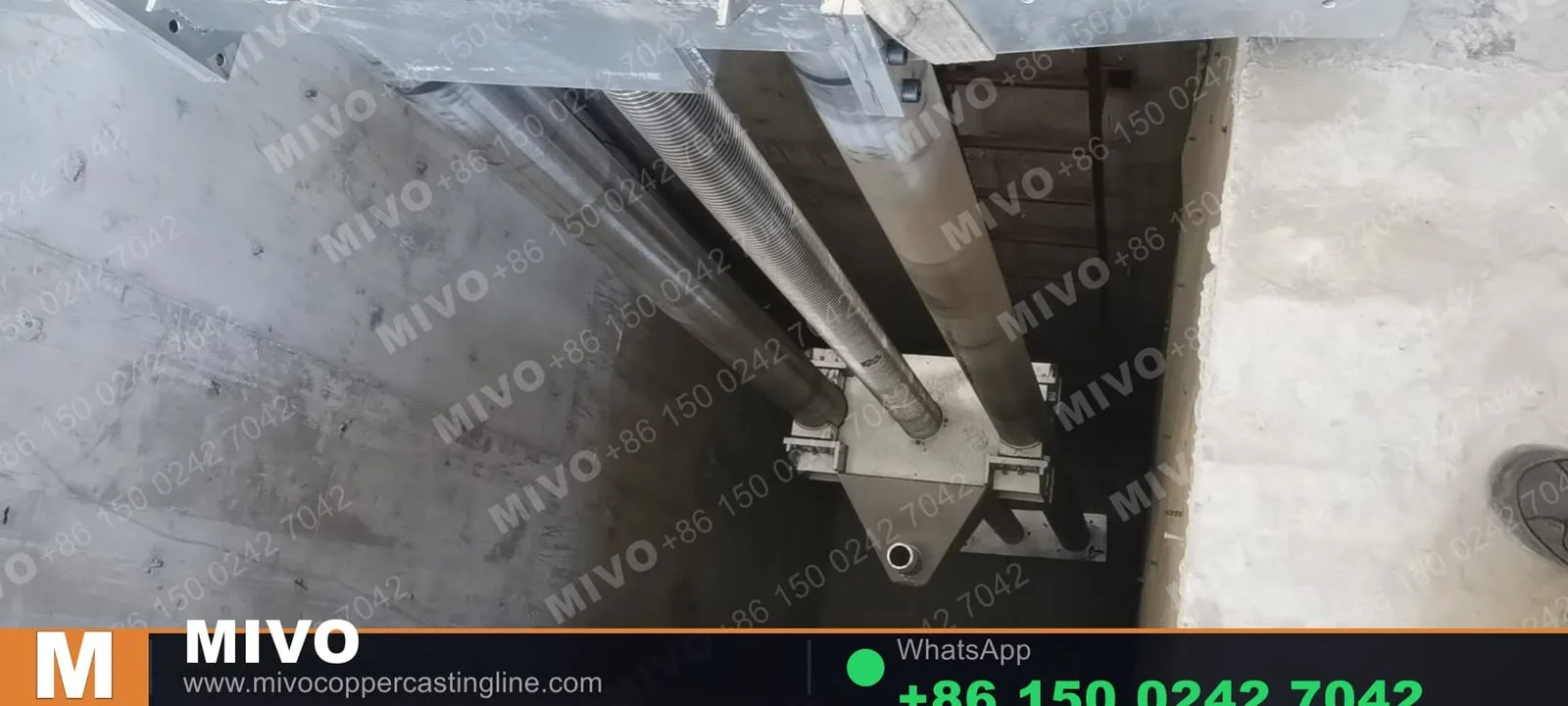
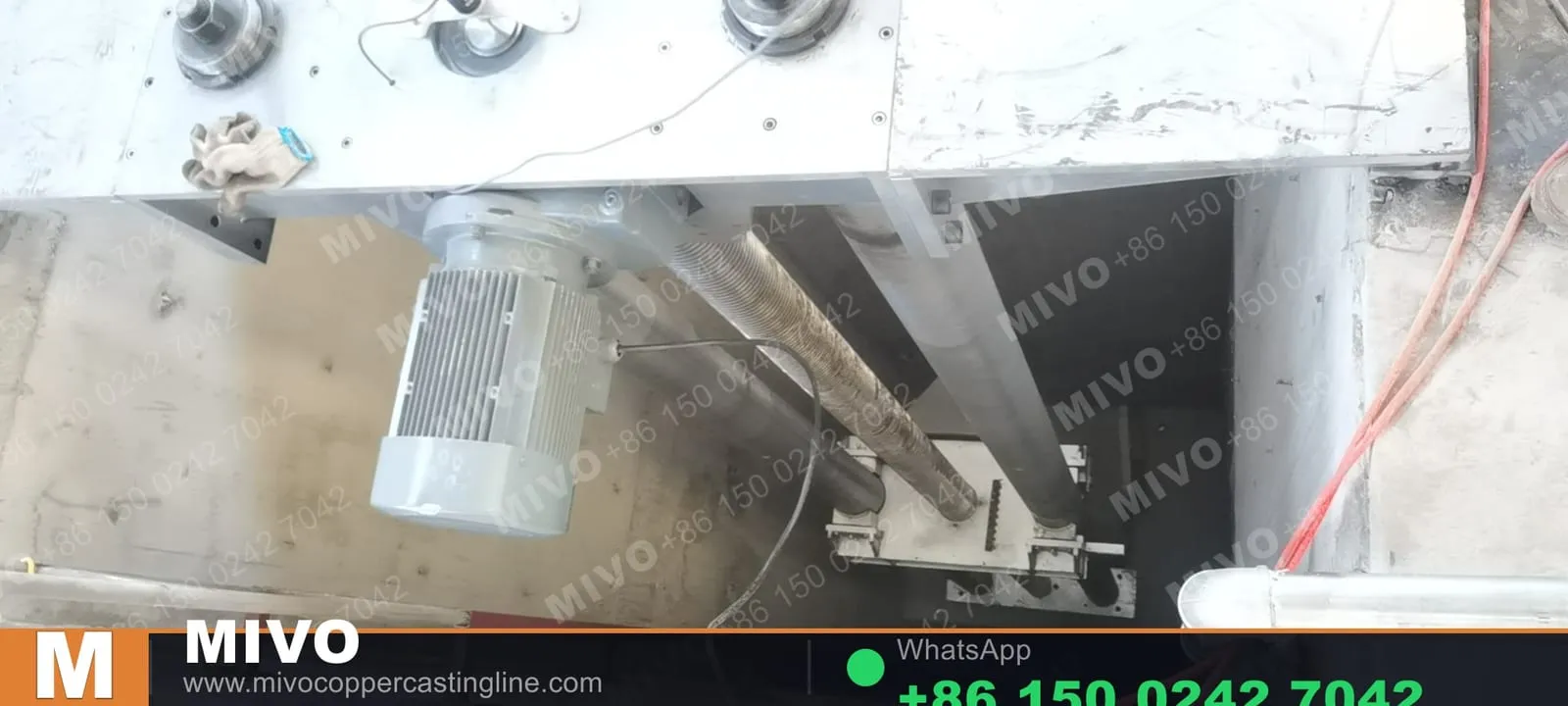
- 05 Hydraulic Withdrawal
A hydraulic lowering table withdraws the billet at controlled speed. Cast parameters are logged by the PLC throughout each cycle.
- 06 End-of-Cast & Cutting
When the billet reaches the target length, pouring stops, the billet cools, and it is cut to final lengths for downstream processing.
Technical Specifications
| Parameter | Value |
|---|---|
| Product Form | Round billet / rectangular slab / hollow billet |
| Cross-section | Custom — specify diameter or dimensions on enquiry |
| Alloy Grade | Copper, brass, bronze, CuNi, CuCrZr — per specification |
| Annual Capacity | Configured to project requirement |
| Furnace Capacity | Per project specification |
* All parameters are project-specific. Contact us with your alloy, billet dimensions, and capacity target for a configuration proposal.
Key Features
- Induction or shaft melting furnace
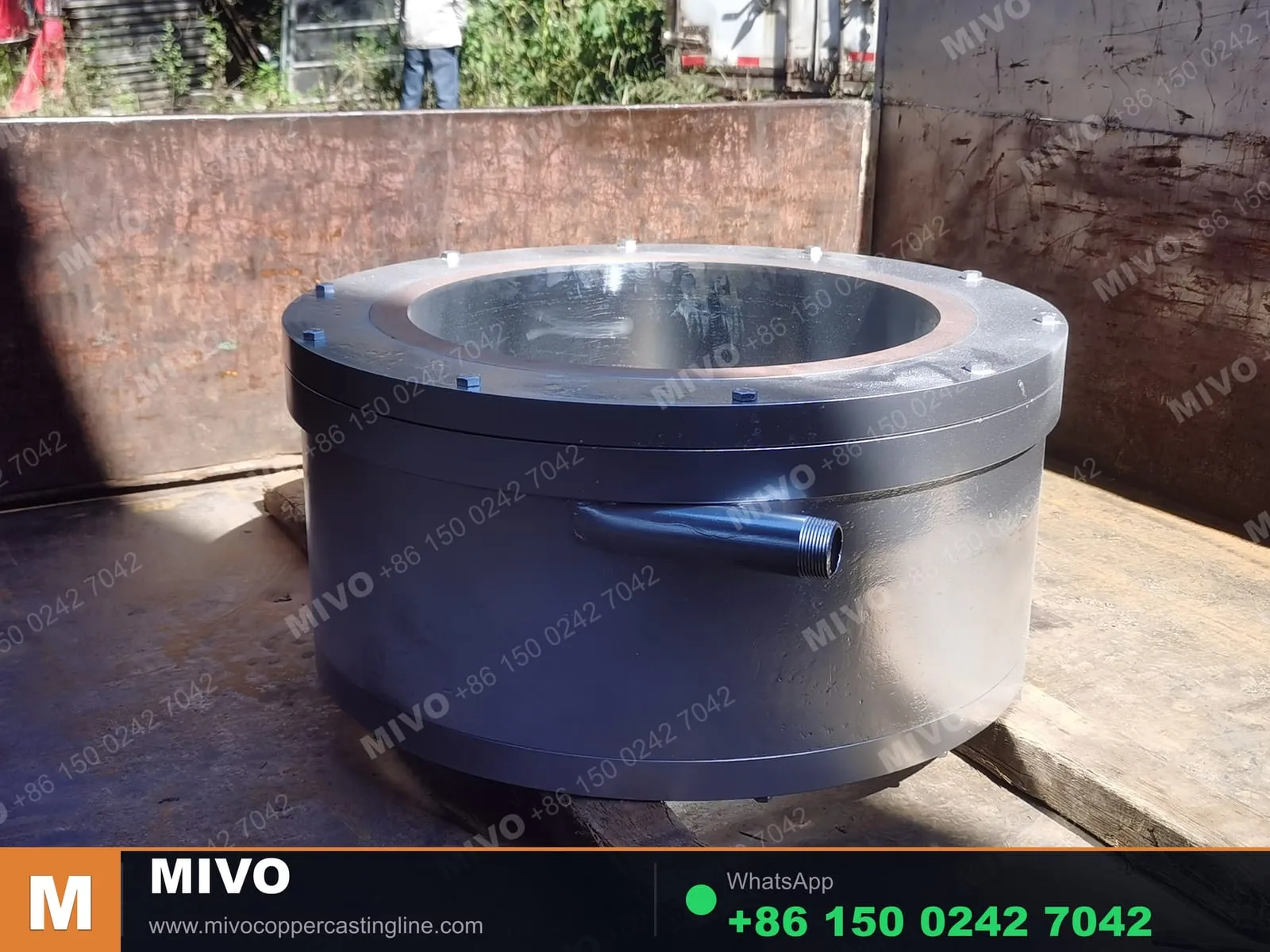
- Water-cooled copper mold — custom cross-section
- Direct-chill (DC) water spray system
- Hydraulic lowering table — controlled withdrawal speed
- PLC process control with cast parameter logging
- Suitable for copper and copper alloy grades
Typical Applications
- Copper and brass extrusion billet
- Forged fitting and valve blanks
- Rolling slab for plate and strip
- Specialty alloy producers (CuCrZr, CuNi)
- Hollow billet for tube extrusion
Request a Quote
Share your alloy, billet dimensions, and annual tonnage target. We'll scope the right configuration.
Request a Quote Semi-Continuous Casting OverviewReady to specify your semi-continuous casting line?
Send us your billet dimensions, alloy grade, and output target. Our engineers will provide a configuration proposal and preliminary cost estimate.
Request a QuoteGet in touch
Ready to discuss your casting line requirements?
Our engineers can help you select the right equipment configuration for your capacity needs and product specifications.